
Evolution of the Re System
Reducing the cost of installing rail fastenings and improving safety during the re-railing process are a constant focus for Pandrol’s R&D team.
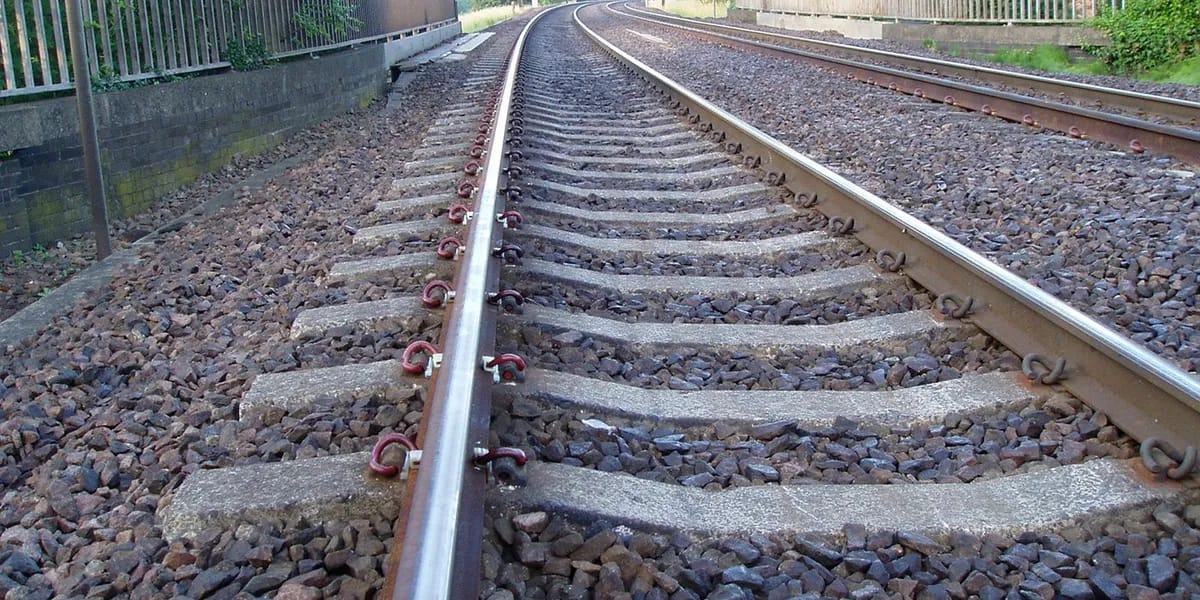
In 2012, Pandrol developed the Re System, a rail fastening that not only delivers significant savings in manpower during the re-railing process, but also improves the durability of the rail fastening components installed on older types of concrete or steel sleepers. In 2018 the system was evolved with the development of a version for the UK’s F40 sleeper.
The Re System is now our preferred system for all our re-railing jobs on concrete sleepers. We have also started to use it when we have any heavy maintenance to do, such as renewing pads and nylons, where there may be issues… we do replace the keys with the Re System.
Steve Preston, Works Delivery Assistant Manager, Brighton Network Rail
Development process
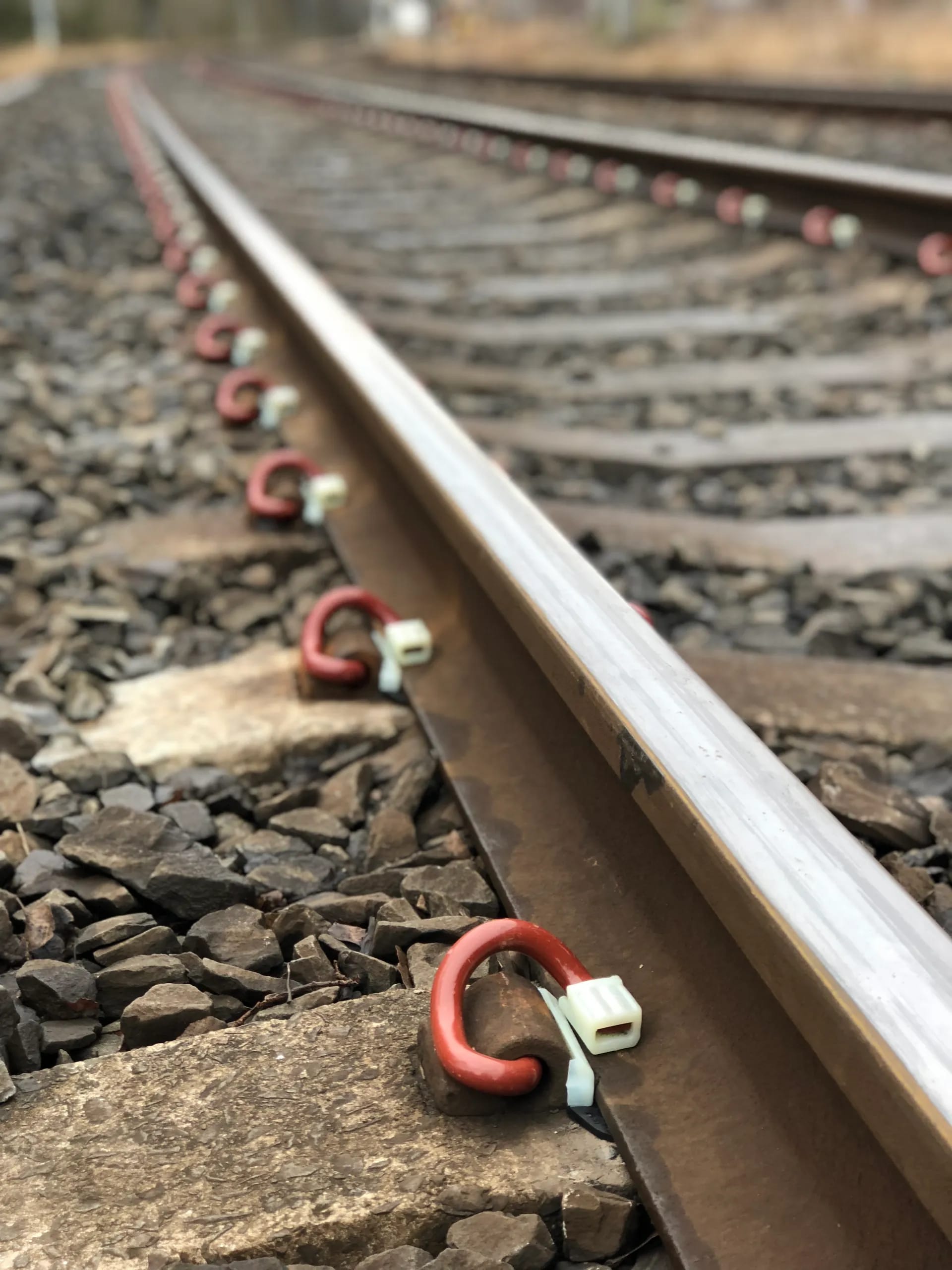
The original Re System was introduced in 2012 as a replacement for the Pandrol e-Clip on older types of sleeper. Instead of having five components (two separate insulators, two clips and a flat pad) the new design from Pandrol featured just three components; two clips with a toe insulator per rail seat. With the Re System, the rail pad is supplied with the side post insulators already attached, which reduces time and labour costs when laying out and installing the components on site.
The system is also supplied with toe insulators already in place on the toe of the clip, again reducing installation time and the number of loose components on site. The design improves rail threading and clipping rates and this leads directly to a reduced manpower requirement on re-railing sites.
The Re System also adopts the two-part insulator concept that was developed with the Pandrol Fastclip system. The separate parts can be made from the same or different materials to further tune track performance. Separating the insulator into two parts leads to greatly extended component life for these vital elements of the rail fastening assembly. Pandrol’s Re System is an innovation aimed at extending the life of components and simplifying the installation process. The result is faster, more cost-effective installation, with fewer components to handle. It also enhances safety in terms of positioning the pads and insulators during the installation process.
RE System on F40 Sleeper
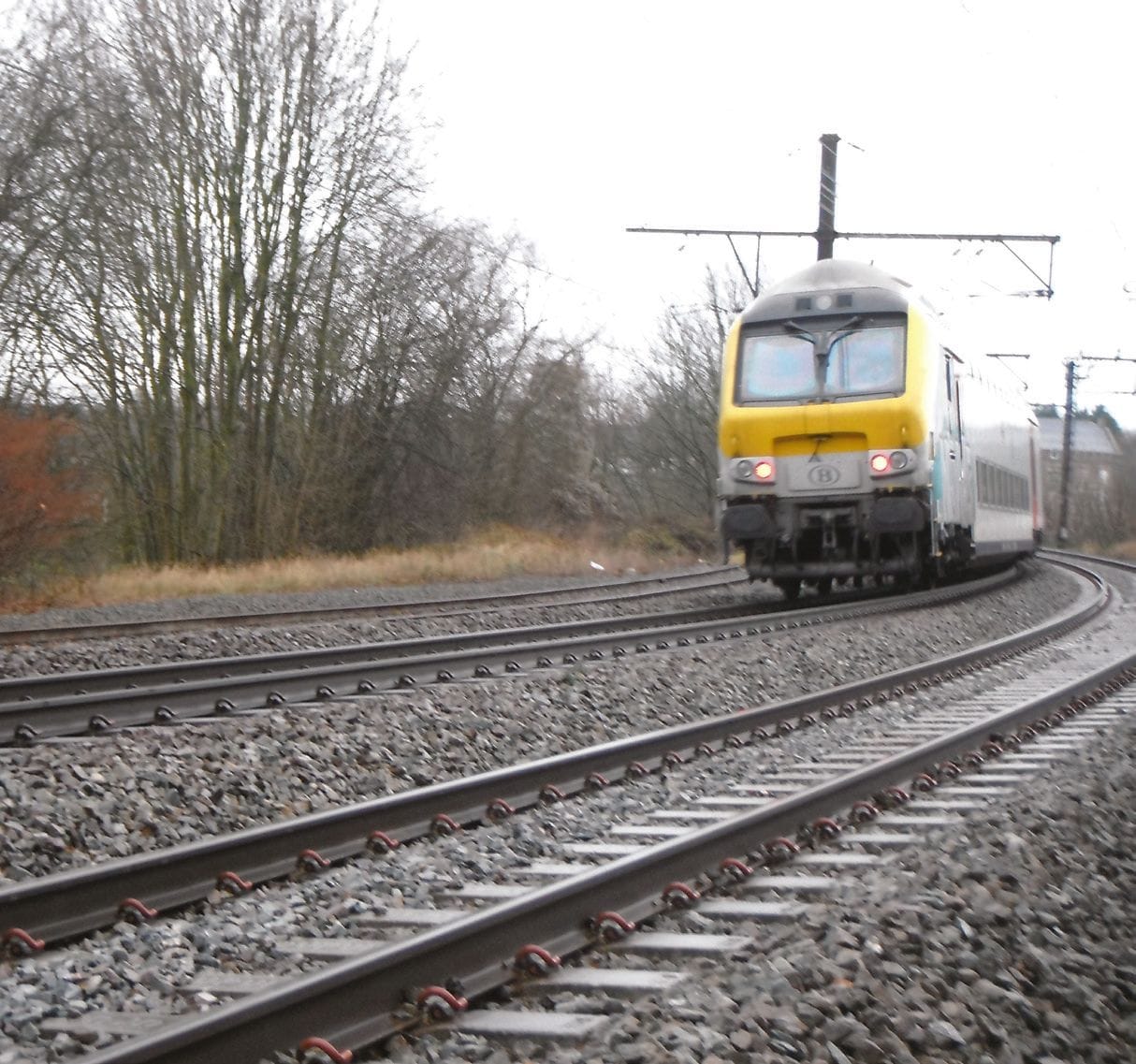
Pandrol worked closely with Network Rail’s contractors in the development phase for the Re System, with an additional assembly launched in 2017. This new assembly could be used on the F40 type of concrete sleeper. Pandrol worked with Network Rail to provide a timed trial of the new product at the Whitemoor Recycling Depot in Cambridge. These trials showed that both the distribution of the components, and the installation needed less work, and this proved that increased yardage could be achieved in an engineering possession, with a 35% time saving, and using 40% less labour. The trial delivered a measured reduction in the work content of 61%. Pandrol developed a special tool to ensure that the Re System can be fully inserted and provide a safe stance for the operator during clip insertion, therefore enhancing safety.
This means that contractors can achieve at least double the yardage in a single possession from previous operations, delivering faster installation times and with a reduced number of components compared to traditional e-Clip equivalents. This has a direct impact on minimising the track infrastructure downtime.
Pandrol provides on-site training for installation of the Re System, which can be retrofitted on existing Pandrol e-Clip and PR clip concrete sleepers. The composite pad also centralises the rail in the rail seat during the threading and clipping process.
In addition, safety for the contractor undertaking the re-railing work is improved because conventional side posts no longer need to be manually fitted between the rail and the shoulder, reducing the risk of finger injuries.
The flexibility of the Re System also means that rail pads can be provided in different materials and stiffness where required, such as EVA, or studded rubber.
Speed and Efficiency
Network Rail’s Western Route between Swindon and Bath in the UK was to undergo substantial ‘re-padding’ of older F40 sleepers to reduce the risk of rail breaks across the network. This site at Hullavington became the pilot installation of the Pandrol Re System in order to evaluate the cost savings possible by use of the system for re-padding, even when replacing the rail clips. The installation rate achieved over a very limited shift of 3.5 engineering hours impressed the maintenance team, by achieving 30 Chains (600 metres) of re-padding over the single shift. This increased level of productivity has demonstrated that the savings of switching to the Re System recovers the cost of the extra new clips, by increasing output in very short track possessions.
The Re System was also used by the Network Rail Brighton depot at Patcham, where running rails were replaced on 1,600 sleepers over a single weekend possession.
Safety for contractors is a major issue on the railways and the Re System, offers major advantages during the installation process, because of its innovative design.
When you factor in how much more work can be done within a single possession and how the Re System improves the longevity and durability of rail fastening components on older types of concrete sleeper, it really does go a long way to meeting project requirements.
Related insights
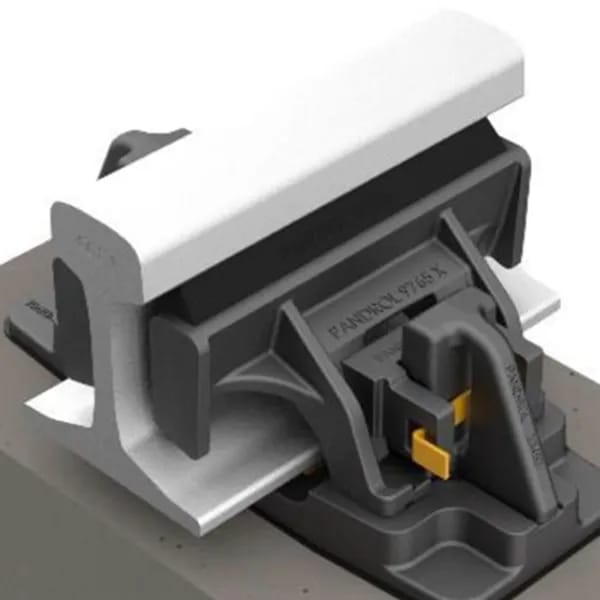
Future-proofing Non-Ballasted Track: Pandrol’s Common Interface System
Pandrol’s Common Interface System is set to revolutionise the future of non-ballasted track, providing the first-ever solution to the inherent inflexibility of current systems.

On Track to a Greener Future
Governments and businesses are under pressure to commit to net zero as part of international climate change mitigation initiatives, infrastructure managers and their suppliers are working to improve the sustainability of track technology.

Noise and Vibration
In this webinar, our experts addressed the subject of noise and vibration and challenges that modern track designers face.