Featured Project
 High Speed
- Spain
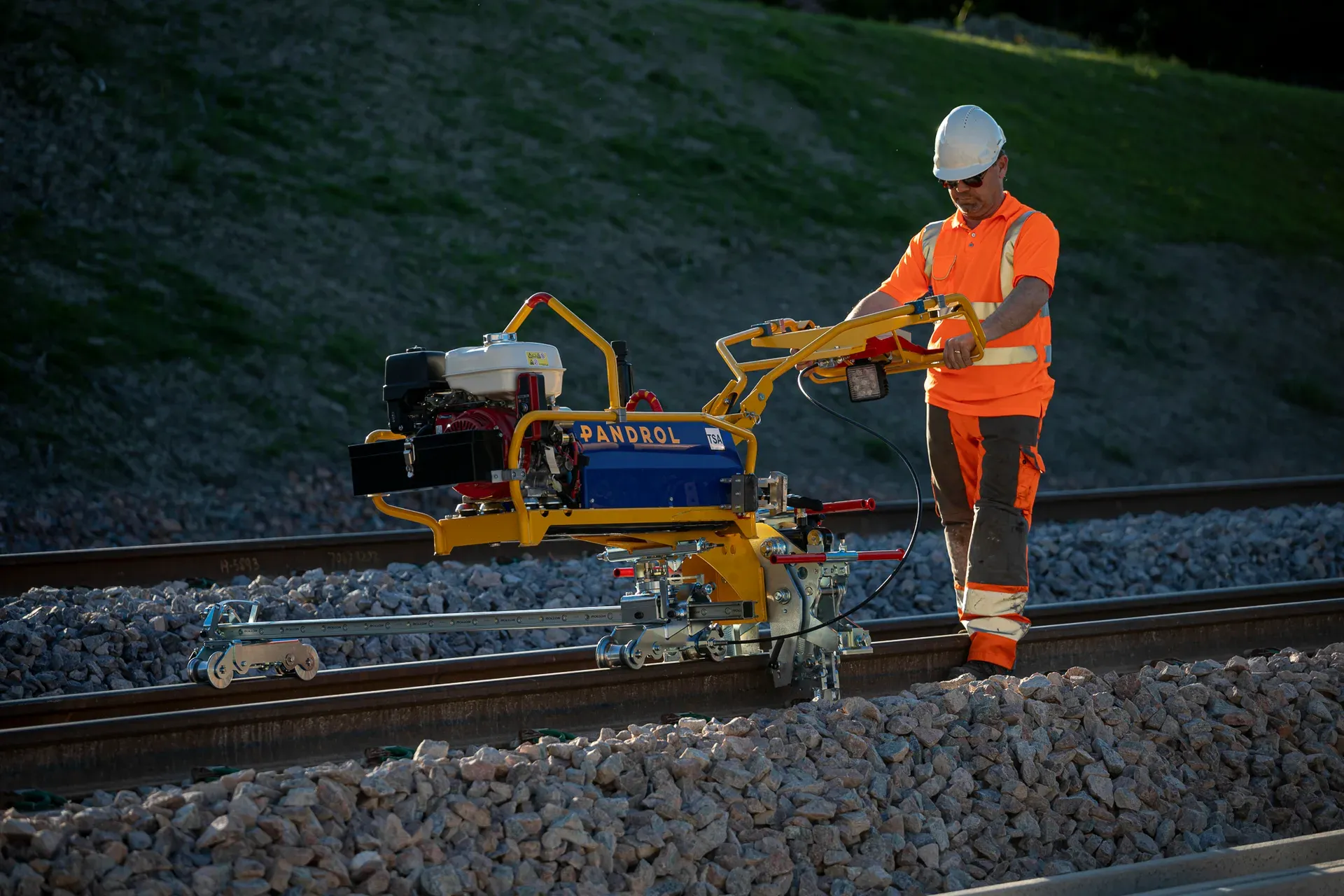
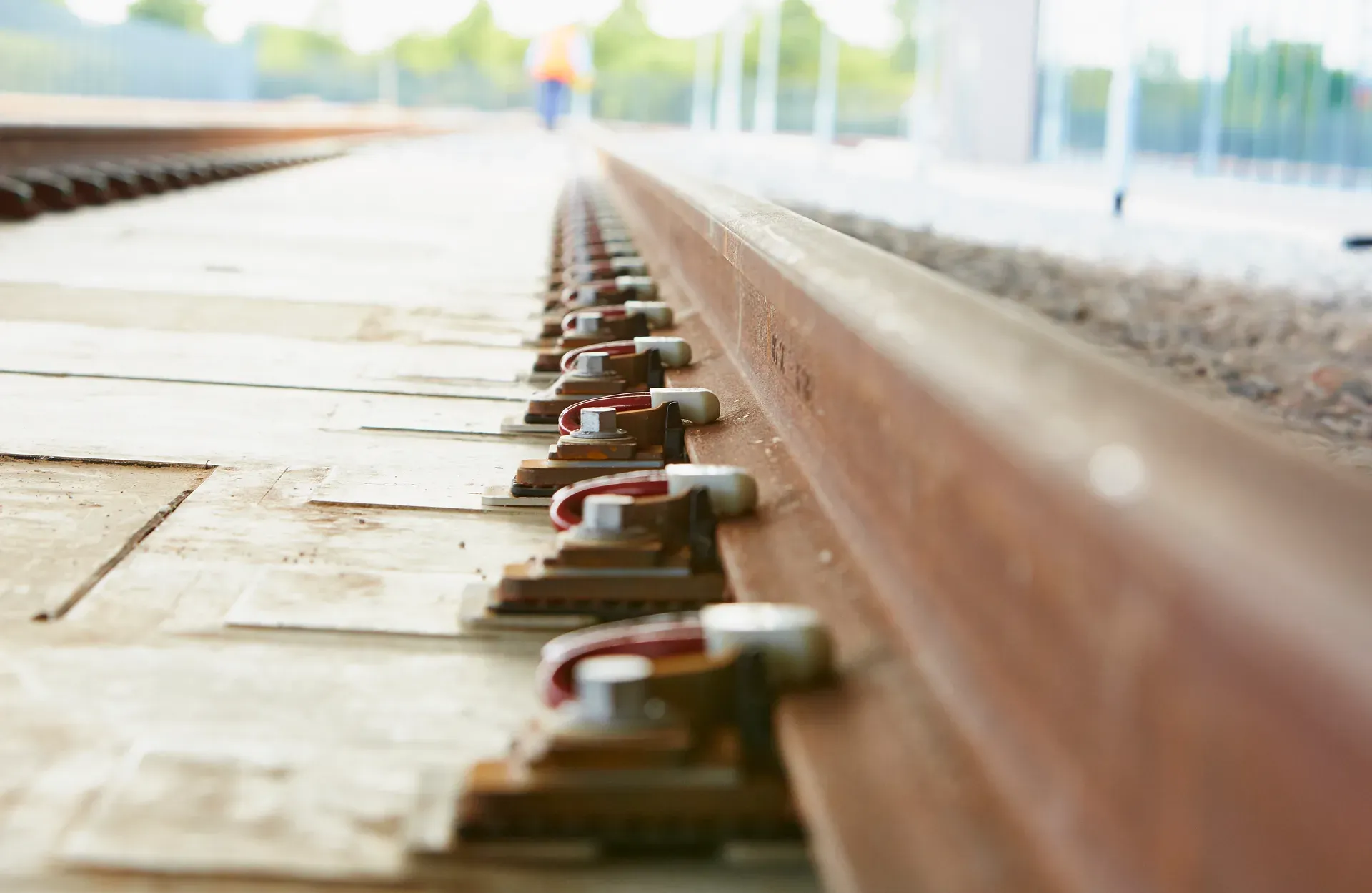
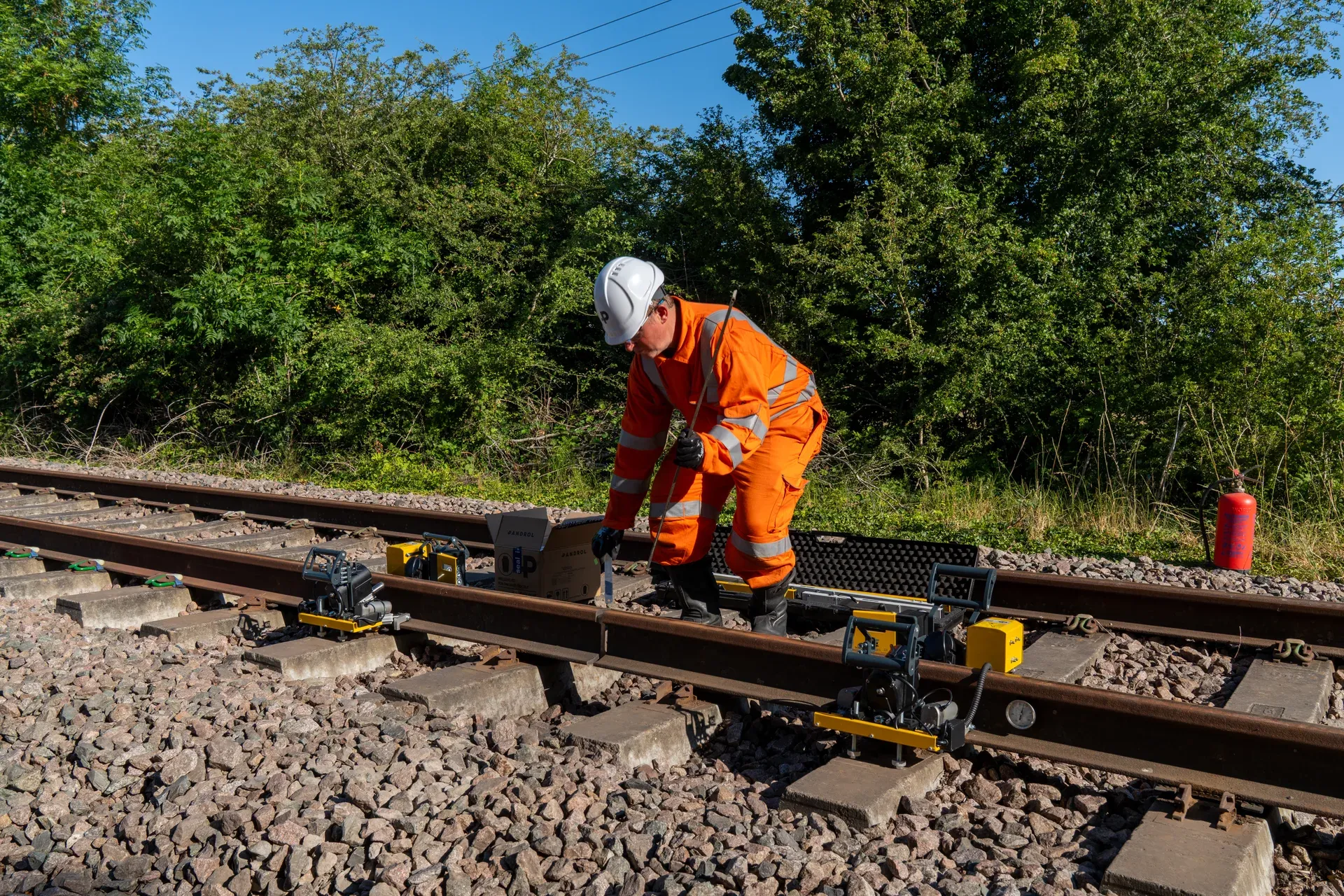
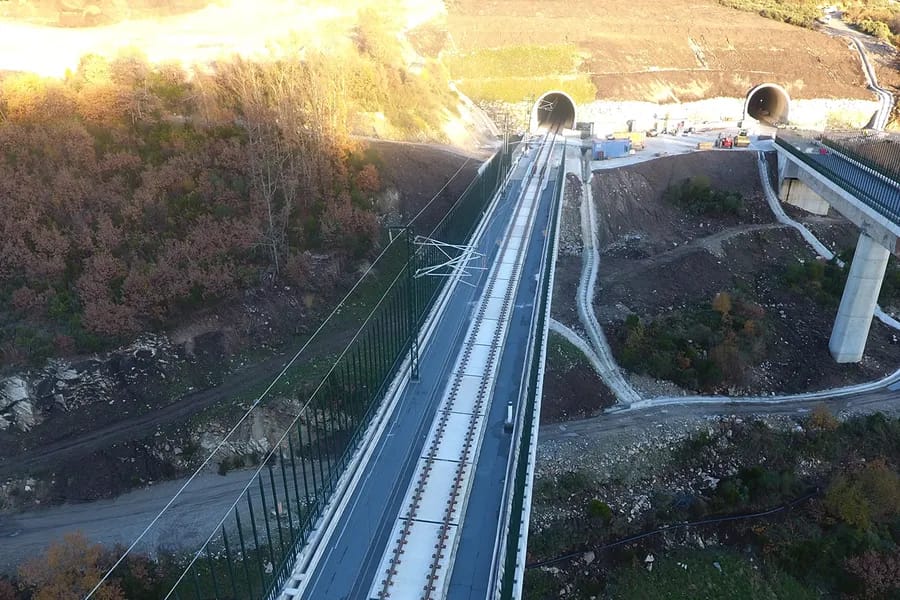
Enabling Reliable High-Speed Rail Infrastructure with Rapid Track Installation in Madrid
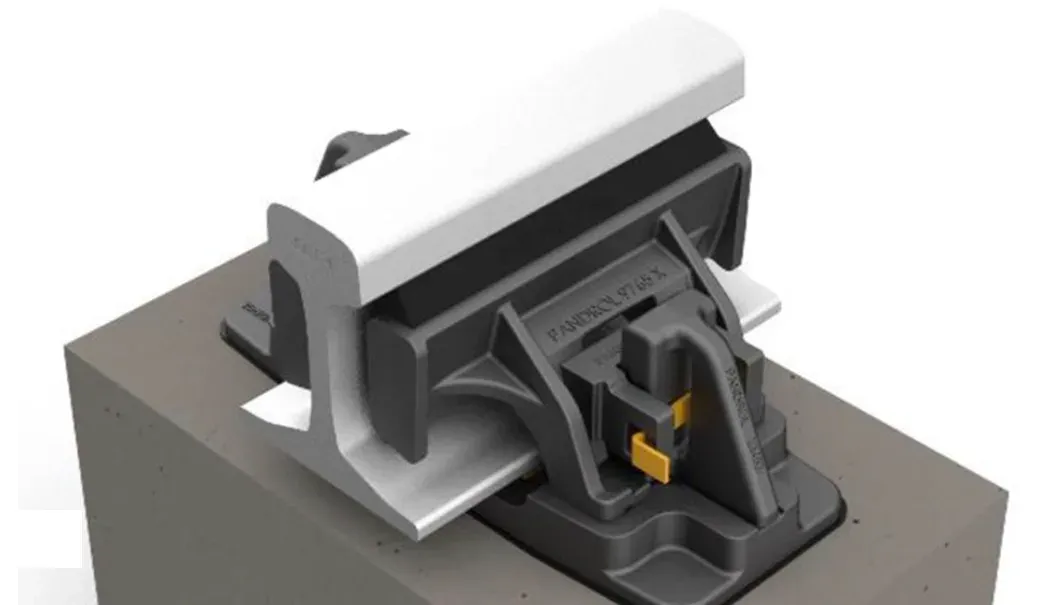
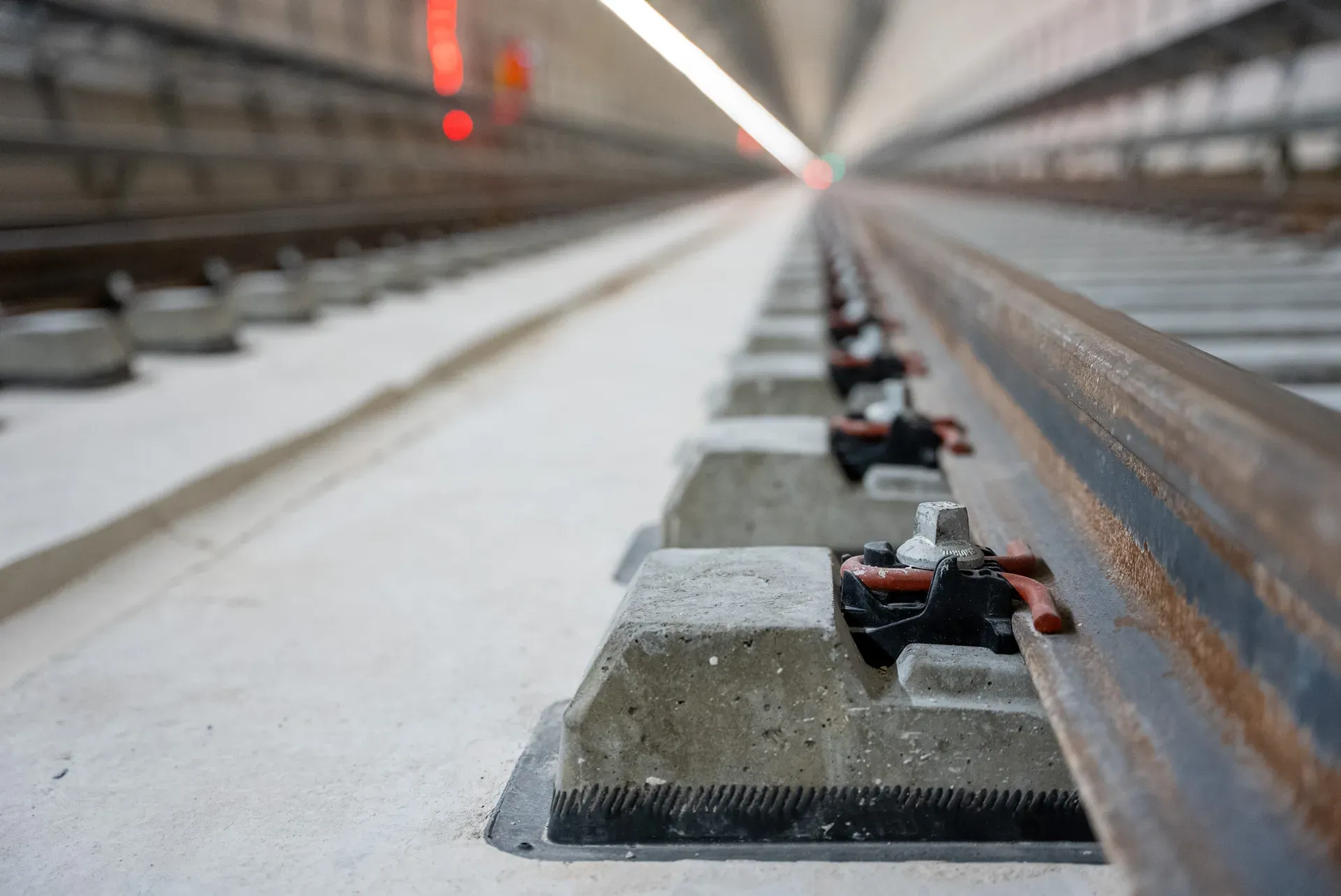
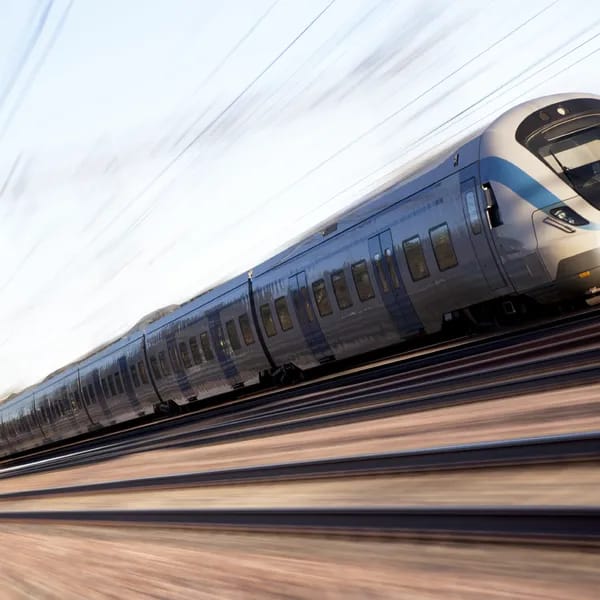
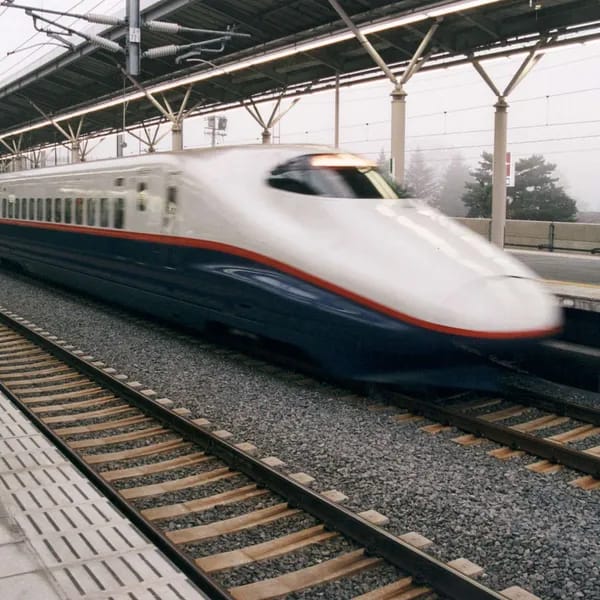
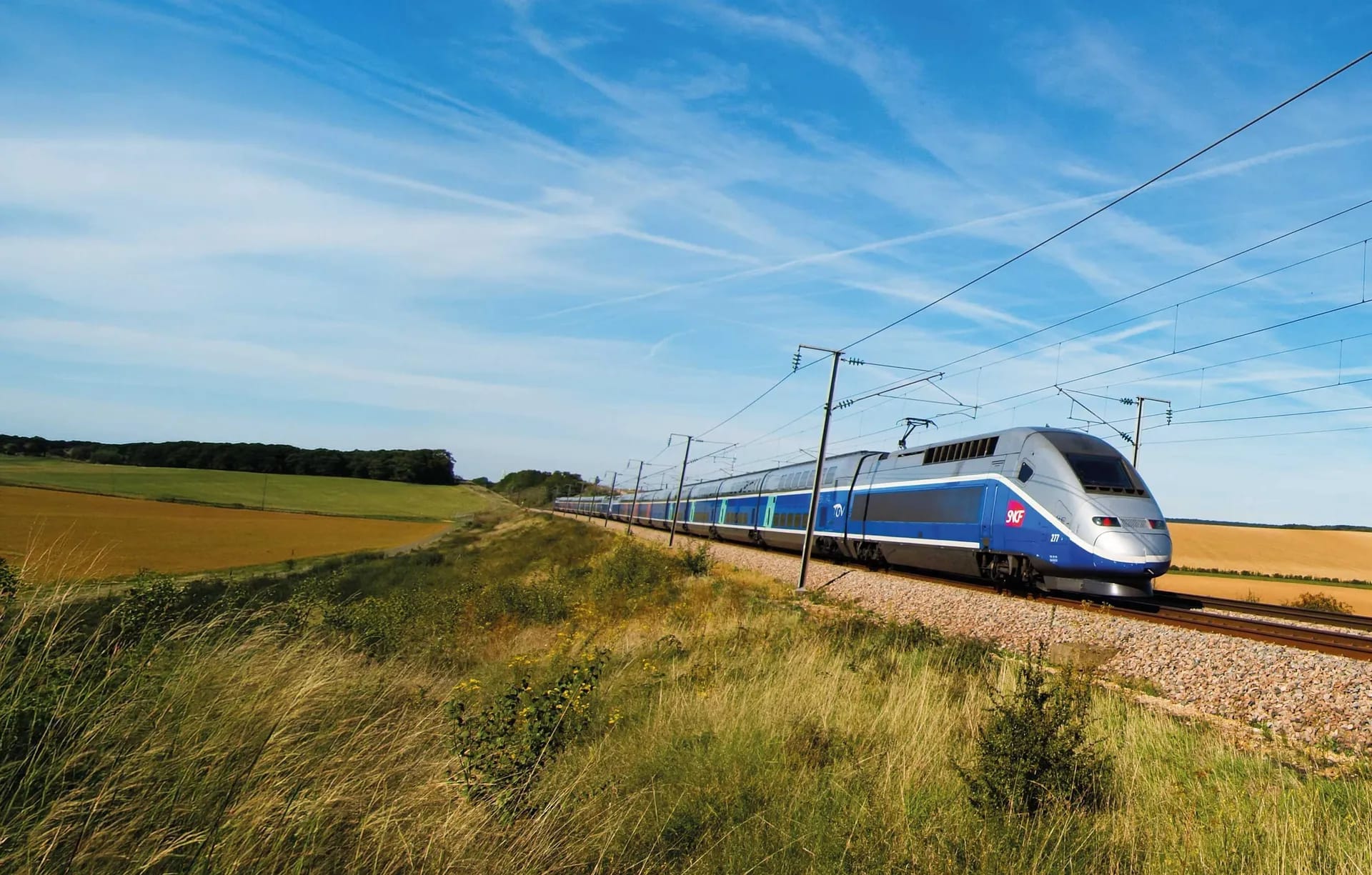
In 2020, our customer, Azvi, required a ballastless fastening solution to be installed on a long viaduct on the Madrid– Galicia high speed rail line. This was an added challenge due to the viaduct needing to support train speeds of up to 350 kilometres per hour.
Read the project