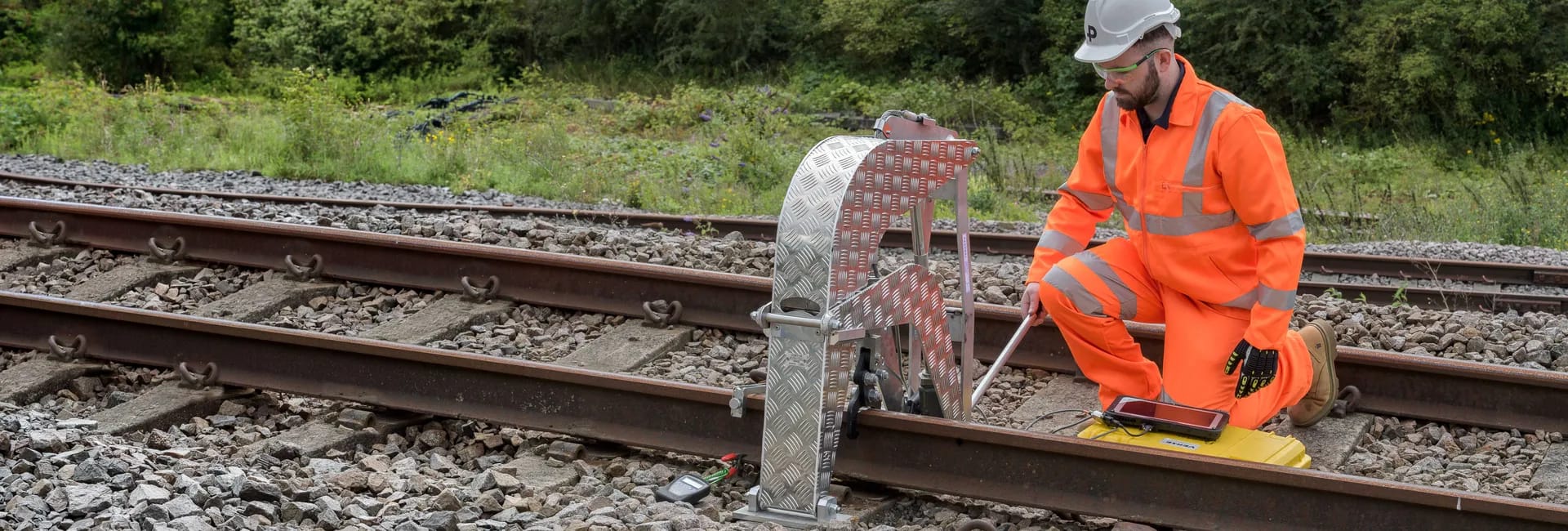
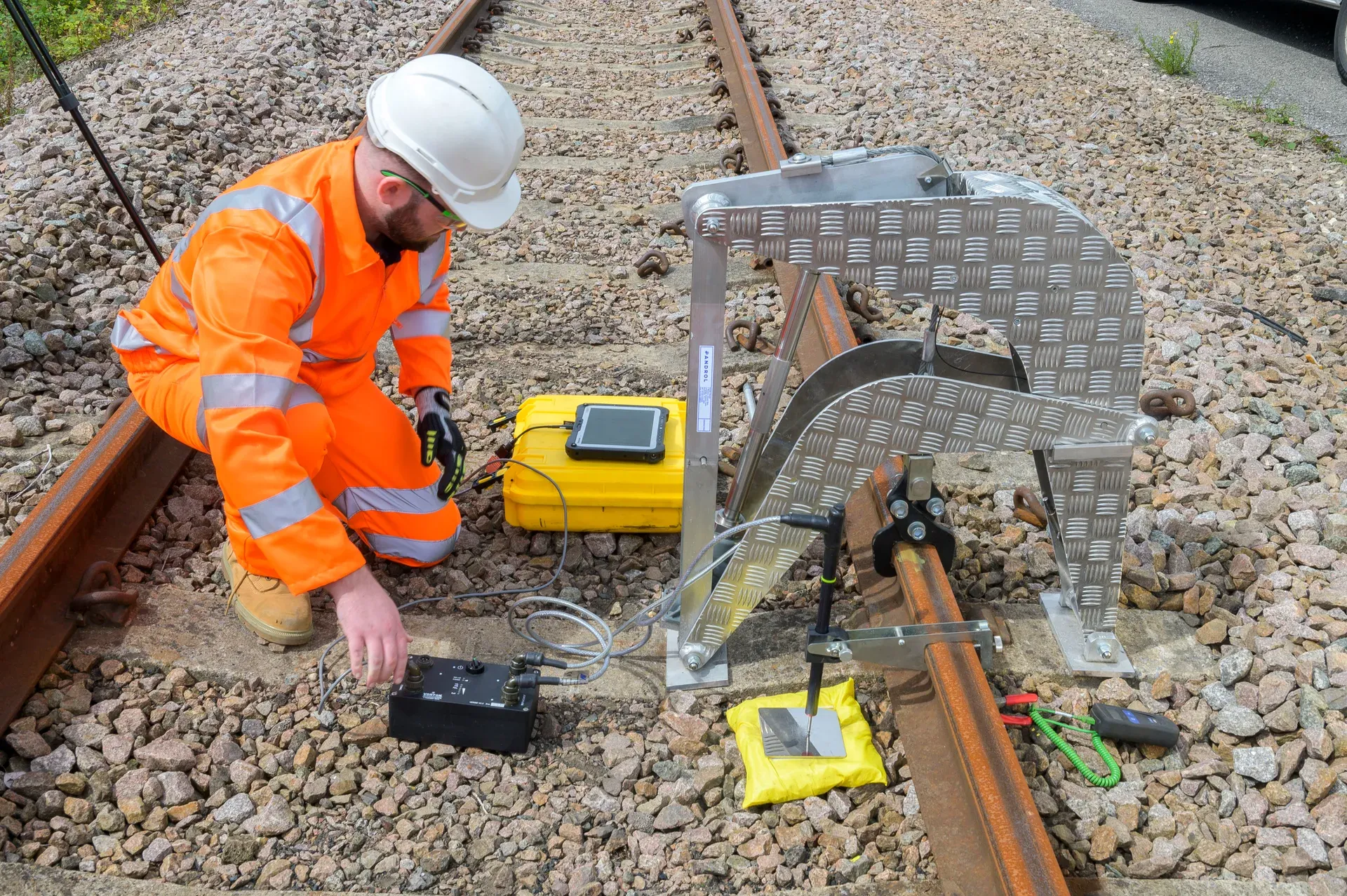
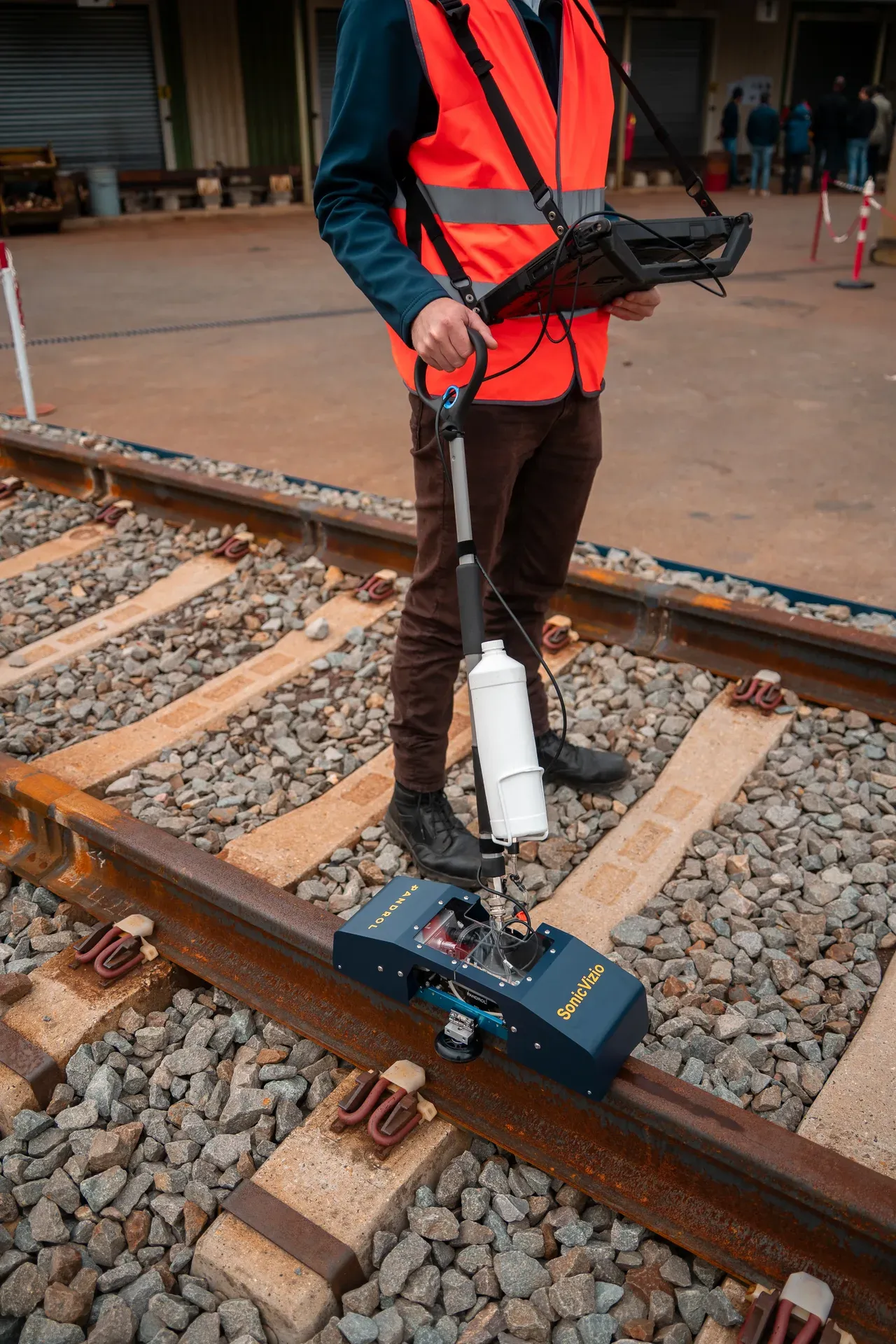
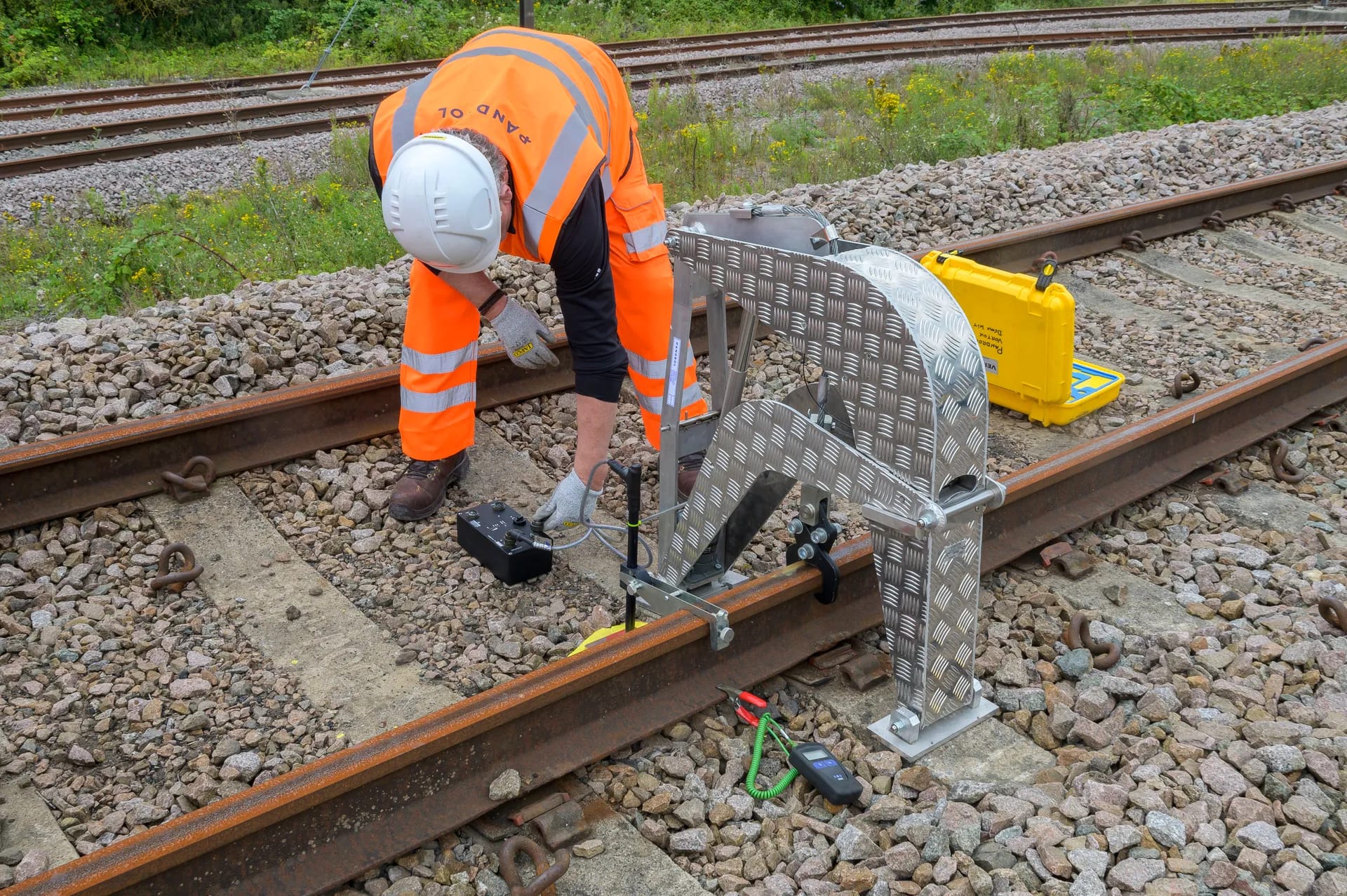
Rail buckling and breaking are a significant but often hidden risk for track engineers. Continuous welded rail expands and contracts with temperature, building compressive stress in the heat and tensile stress in the cold. Left unmanaged, that stress can cause buckles in extreme heat or breaks in extreme cold, both putting safe train operation at risk.
Climate change is driving more frequent temperature extremes, making active management of this risk more critical than ever. Industry best practice is to manage rail thermal stress through proactive monitoring and maintenance of the rail's stress-free temperature (SFT).
Establishing and maintaining the SFT allows track engineers to balance the peak tensile and compressive stresses within the rail, reducing the risk of buckles and breaks before they occur. For networks running long stretches of continuous welded rail, especially in variable climates, this discipline of CWR track maintenance is essential to keeping trains running safely and on schedule.