Budgets are set project by project, but the real cost of a rail asset is spent over its entire lifetime, not just at installation. Focusing on the lowest upfront price can mean paying more later, in maintenance, in possession time, and in premature replacement.
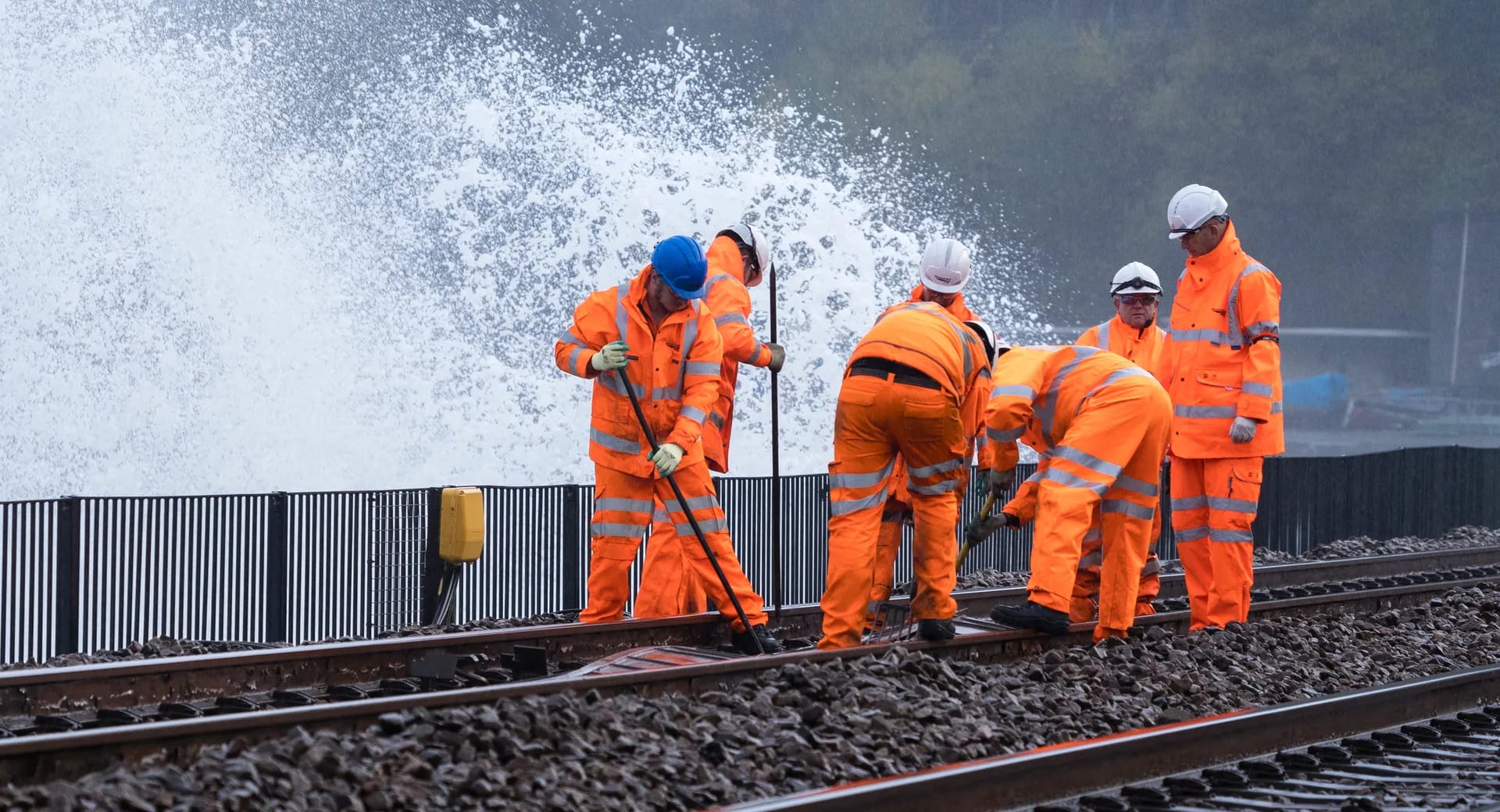
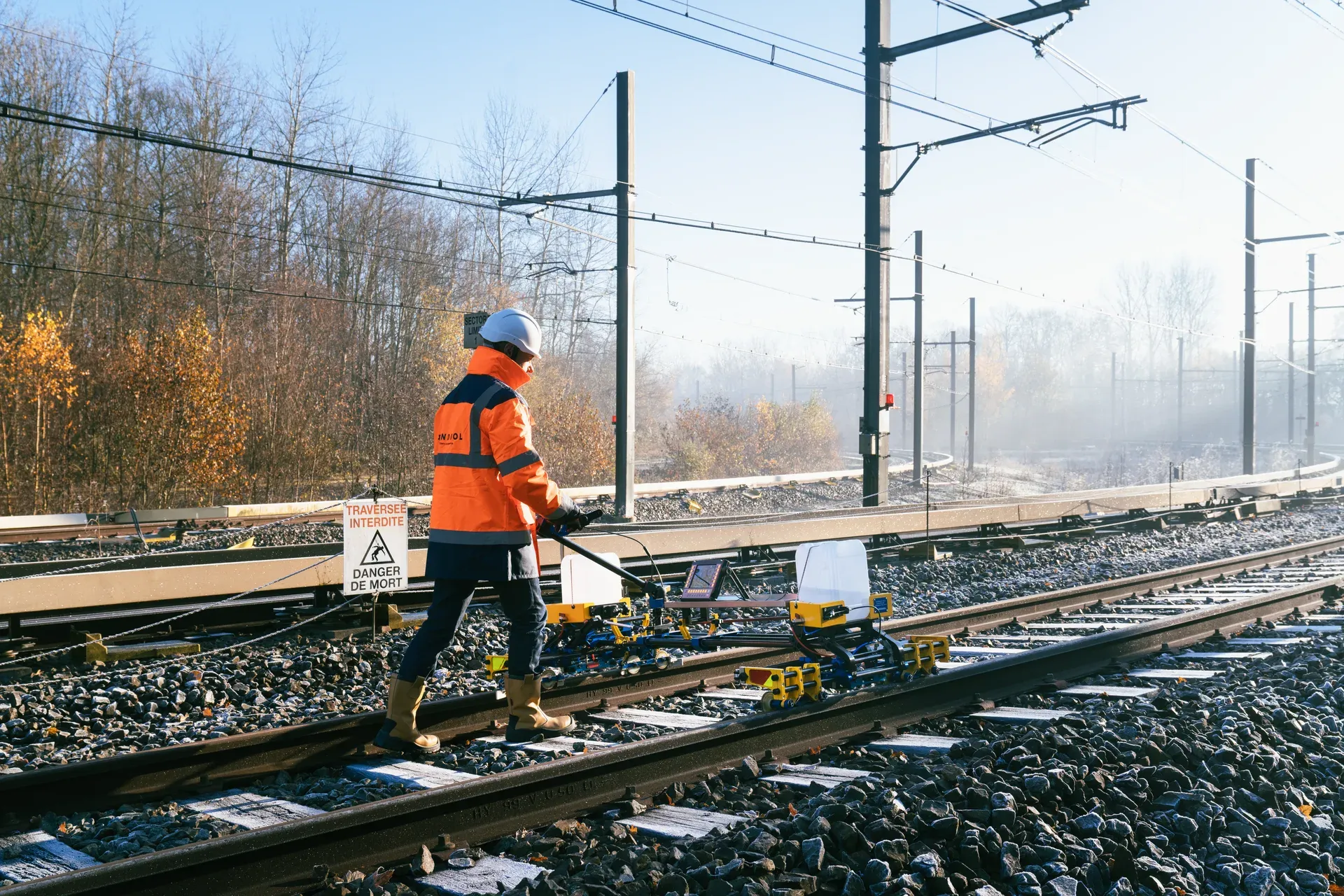
Every maintenance visit costs more than the labour and materials involved. Possession windows are limited and expensive to secure, and each one taken up by avoidable work is one less available for renewals or upgrades elsewhere on the network. Components that fail early, or that need frequent adjustment, drain resources that could be spent on planned improvement.
Teams responsible for railway asset management are increasingly expected to justify spending against whole life cost, not just capital outlay, and to show how today's choices affect tomorrow's budget. That means lifecycle cost planning has to start at specification stage, not after a product is already in the ground.
Every part of the network benefits from proactive lifecycle cost planning, not just the track a product was fitted to.